Built for history students
Fabric for history students
Primary sources, historiography, essay research, lecture notes. Fabric searches across all your saved sources by meaning. AI tutor that helps you build arguments from your actual evidence.
Primary sources, historiography, essay research, lecture notes, archival images, seminar readings, journal articles, past exam questions. History students collect and analyse sources across centuries and formats, and the essay-writing process depends on finding the right source at the right moment. The primary source that supports your argument is in one of the fifty documents you've saved, and you can picture the passage but can't remember which source it was in. The historiographical debate the lecturer outlined is across three different readings, and connecting them requires finding the relevant passage in each.
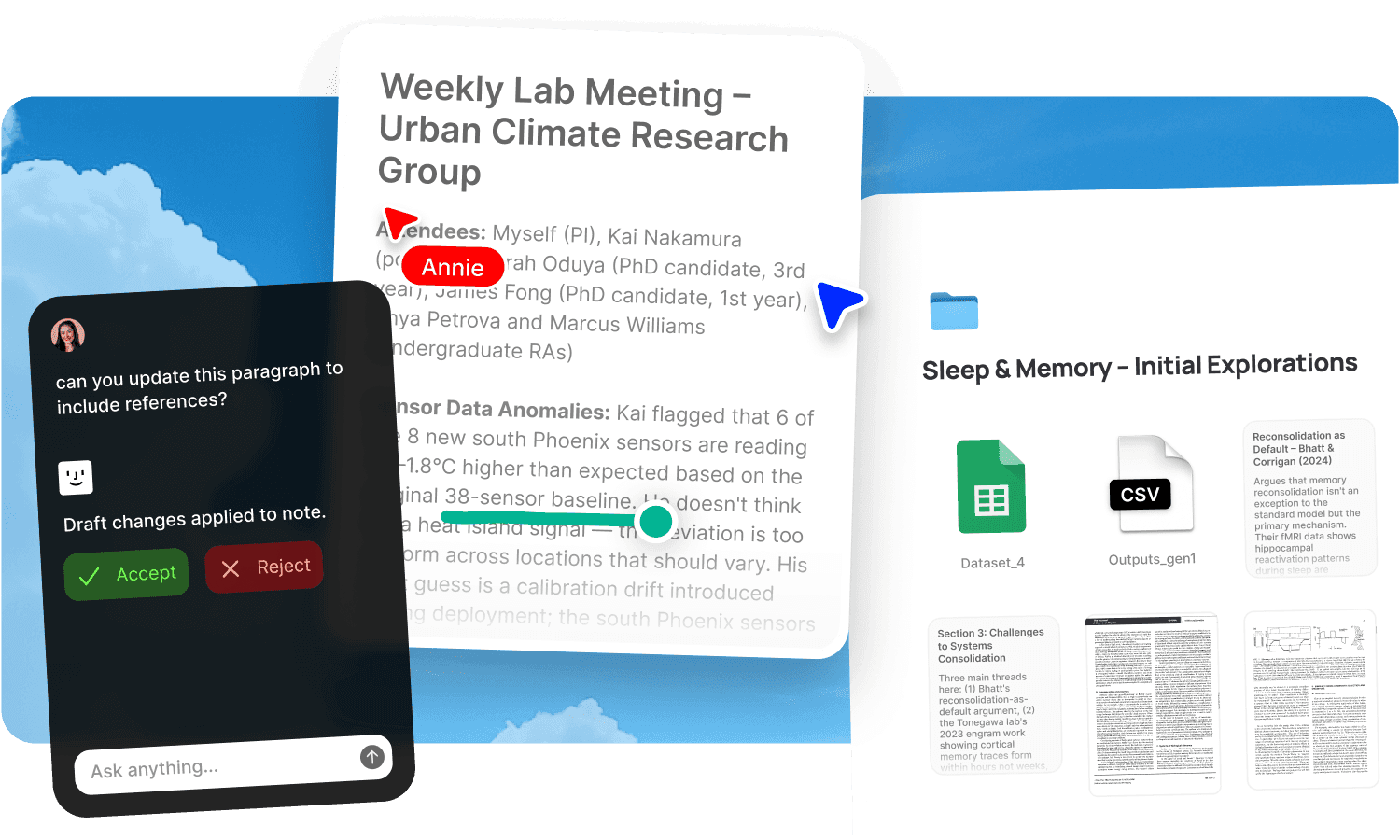
Upload your materials to Fabric. The AI assistant searches across all your saved sources by meaning. "Find every primary source I've saved that mentions industrialisation." "What does Thompson argue about class formation in the week 3 reading?" "Compare the historiographical approaches in my two assigned secondary sources." AI tutor that helps you build arguments from your actual evidence.
An AI tutor for sources and arguments
The AI assistant works from your primary sources, secondary readings, lecture notes, and your own analysis. Ask it to find relevant evidence for an essay argument across your saved sources. Ask it to compare historiographical perspectives from your syllabus. Ask it to trace a theme across primary sources from different periods. Ask it to quiz you on the key debates, events, or interpretations from a specific module.
The assistant has memory across sessions. It remembers which periods you've studied, which debates you've engaged with, and can build on your developing arguments.
Search across every source by meaning
AI search finds material by historical concept: "references to enclosure in my early modern sources" or "every reading that discusses the French Revolution's impact on nationalism" or "primary sources mentioning trade unions" across your full library. The search works by concept, not keyword, so it finds sources that address a theme even when they use period-appropriate language.
Record lectures and seminars
AI voice notes record and transcribe lectures, seminars, and guest talks. The lecturer's argument, the seminar debate, the visiting historian's perspective, all captured and searchable. Your typed notes and the transcript merge into one document. See lecture notes.
Annotate sources and build your evidence base
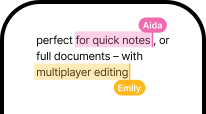
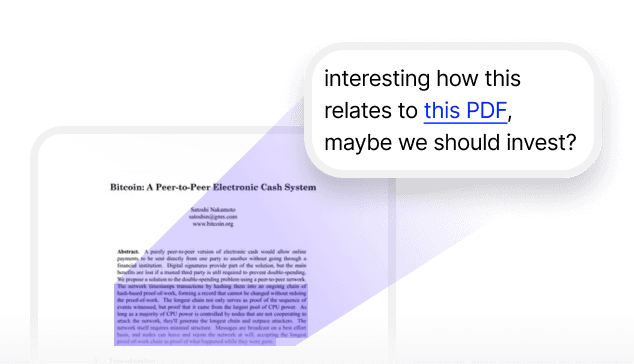
Annotations let you highlight key passages, mark arguments, and note connections across primary and secondary sources. Your annotations are searchable across your full library, so a note about a source's bias from three months ago is findable when the same question comes up in a new essay.
Read in the reader for a clean experience. See research papers for managing journal articles.
Write essays alongside your sources
Draft essays in notes and docs with your sources searchable alongside. When you need to verify a date, find a supporting quote, or check what a historian argued, search without leaving the draft. The canvas helps you map an argument, arrange evidence by theme, or plan an essay structure visually before committing to prose.
Get started
Upload your sources and get a tutor that helps you build arguments from evidence. Try Fabric free.
See also: Fabric for students. Studying and exam prep. Literature review. Research papers.
Comparing tools? See the best AI study app and the best app for PhD students.
FAQs
Can I search primary sources by meaning?
Yes. AI search finds sources by historical concept, not keyword. It handles period language and finds thematic connections across sources.
Can the AI compare historiographical perspectives?
Yes. The AI assistant compares arguments across your assigned readings and cites the specific passages.
Can I trace themes across primary sources from different periods?
Yes. Ask the AI to find every source that addresses a theme across your full library, regardless of period or format.
Can I use the canvas to plan essays?
Yes. The canvas lets you arrange sources, arguments, and evidence spatially before writing.
Can I record seminars?
Yes. AI voice notes record and transcribe any session with timestamps.
Can the AI quiz me on key debates?
Yes. Ask it to test you on events, interpretations, or historiographical debates from your programme materials.
Does it remember what I've studied?
Yes. The assistant has memory across sessions and builds on your developing understanding.
Is my data private?
Yes. Fabric uses AES-256 encryption and is CASA Tier 2 compliant. Your data is never used to train AI models.