Unlock freedom to focus on creating. Let Fabric understand and organize your content.
Your files, automatically understood.
Automatic metadata extraction.
Content type, concepts, colors, and key information are identified without manual tagging. Every file you add to Fabric is analyzed and enriched with metadata that makes it easier to find and organize.
Smart previews.
Automatically generated visual previews show what is important in each file. See the key content at a glance without opening every document.
Smart fields. (Coming soon)
Define custom criteria and let AI automatically evaluate and label your content. Create fields like "priority," "sentiment," or "project stage" and Fabric will fill them in across your files based on what it understands about each one.
Your content, organized your way.
Smart collections.
Create dynamic folders that automatically populate based on content rather than manual filing. Define the criteria and matching files appear automatically, even ones you add later.
AI tag suggestions.
Get intelligent recommendations for tags and categories based on what your content is actually about. Fabric reads your files and suggests tags you might not have thought of. You can learn more about how automatic tagging works.
Color recognition.
Find images and designs by color. Search using a color picker or natural language like "forest green" to find content containing specific colors. No manual tagging required. Especially useful for designers maintaining brand consistency and teams managing digital assets.
Media transcription.
Audio and video files are automatically transcribed to searchable text. Spoken content becomes as findable as any written document, without any manual effort.
Discover unexpected connections.
Similarity view.
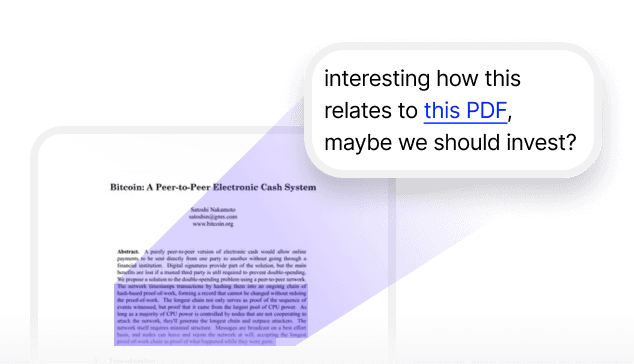
Explore content that is semantically related to reveal connections you might otherwise miss. Select any item and find similar content across your workspace, or browse relationships visually in Explorer.
Content relationships.
See how your notes, files, and media relate to each other based on meaning, not just where they are filed. Two documents about the same topic surface as related even if they live in completely different folders.
Semantic organization.
Fabric connects everything by concept and context, the way your brain does. It goes beyond simple folder structures to understand what your content is about and how different pieces relate to each other.
Organization that works without you.
The biggest problem with most organization systems is that they require constant maintenance. You set up folders, create tags, build a structure. Then you have to maintain it every time you add something new. Most people keep up with this for a few weeks before the overhead becomes too much, and they end up with a mix of carefully organized old content and a growing pile of unfiled new content.
Fabric's smart organization works differently. When you add a file, note, or saved link to your workspace, Fabric automatically analyzes its content. It extracts metadata like content type, key concepts, and colors. It suggests relevant tags. It identifies relationships to other content in your workspace. And it makes everything searchable by meaning, not just by filename or tags. This means your workspace becomes more organized as it grows, not less, and the filing system is no longer a bottleneck.
The best of both worlds.
Smart organization does not replace manual organization. It complements it. You can still create folders, spaces, tags, and kanban views however you want. The difference is that you do not have to. If you prefer to carefully structure your workspace using a methodology like PARA or GTD, smart organization enriches your structure with additional metadata and connections. If you prefer to save things quickly and rely on search, smart organization ensures everything is findable without any filing. Most people end up somewhere in between, using manual organization for important projects and letting Fabric handle the rest.
Smarter as your workspace grows.
The more content you have in Fabric, the more useful smart organization becomes. With a small collection, automatic tagging and metadata extraction save you a few minutes of manual work. With thousands of files across multiple projects, the value compounds. Smart collections automatically group related content that you might not have known existed. Similar search surfaces connections across years of saved material. Color recognition finds visual assets buried deep in your library. The system's understanding of your content improves as your workspace grows, making it increasingly good at surfacing the right things at the right time.
For teams, this is especially powerful. When multiple people contribute to a shared workspace, manual organization often breaks down because everyone has different filing habits. Smart organization provides a consistent layer of structure that works regardless of how individual team members save their content. A creative team sharing design assets, a research team building a shared knowledge base, or an agency managing content across client projects all benefit from automatic organization that scales with the volume of content.
Built for people who would rather create than categorize.
Some people enjoy organizing. Many do not. If you are someone who wants to capture ideas quickly and get back to work, smart organization is designed for you. You can save a file, a voice note, a screenshot, or a web clipping without thinking about where it belongs. Fabric understands what it is, tags it appropriately, connects it to related content, and makes it findable through search and your AI assistant. This is particularly valuable for people with ADHD, who often find that the friction of organizing is the biggest barrier to building a useful knowledge system. If your brain is for having ideas, let Fabric handle the filing.
Use cases
Second brain
Let your personal knowledge base organize itself as it grows. Smart organization surfaces connections between ideas across all your saved content without requiring a rigid structure. See how Fabric supports a second brain.
Digital asset management
Find visual assets by color, style, and content without manually tagging every file. Smart previews, color recognition, and AI tags keep design libraries organized and searchable at scale. See how Fabric supports digital asset management.
Research
Let Fabric automatically categorize and connect your research materials as you collect them. Find relationships between papers, notes, and sources that you might have missed through manual filing. See how Fabric supports research.
Content creation
Automatically organize media, scripts, references, and assets by project, theme, or concept. Spend time creating rather than filing. See how Fabric supports content planning.
Moodboards
Find images and design references by visual similarity and color. Build moodboards from your library using smart organization features that understand what your visual content looks like.
Perfect for
Designers
Find visual assets by color and style without manual tagging. Smart previews and color recognition make large design libraries navigable without spending hours on organization. Learn more about Fabric for designers.
Researchers
Let your research collection organize itself as it grows. Smart organization connects sources, suggests tags, and surfaces relationships you might miss manually. Learn more about Fabric for researchers.
People with ADHD
Stop fighting organization systems that require constant maintenance. Fabric organizes your content automatically so you can focus on the work itself, not the filing. Learn more about Fabric and ADHD.
Content creators
Keep media, references, and inspiration organized by theme and concept without building elaborate folder structures. Smart organization handles the categorization as you create and collect. Learn more about Fabric for content creators.
Works seamlessly with other features.
Smart search
Smart organization feeds directly into search. Extracted metadata, tags, and content analysis make everything findable through natural language queries that understand what your content means.
AI assistant
Your AI assistant benefits from all the metadata and relationships that smart organization creates. It can answer questions about your content with richer context because it understands how your files relate to each other.
Connected apps
Content from connected apps like Google Drive and Dropbox benefits from the same automatic organization. Files synced from external sources are analyzed, tagged, and connected just like native Fabric content.
Voice notes
Voice notes and audio recordings are automatically transcribed and organized into your knowledge system. Spoken ideas become tagged, searchable, and connected to related content.
FAQ
How accurate is the automatic organization?
Smart organization is highly accurate for most content types. AI tag suggestions, metadata extraction, and content analysis improve as Fabric processes more of your content. You can always adjust, remove, or add tags manually if needed.
How does color search work?
Fabric automatically analyzes images and designs to extract dominant and accent colors. You can search using a color picker or natural language like "forest green" to find content containing specific colors, without any manual tagging required.
Can I customize how the AI organizes my content?
Yes. You can create custom smart fields and smart collections with specific criteria that the AI uses to evaluate and organize your content. This gives you a balance of automation and control that you can tune to your workflow.
What are smart collections?
Smart collections are dynamic folders that automatically populate based on content criteria you define. Unlike regular folders where you manually add files, smart collections find matching content automatically, including new files that meet the criteria in the future.
How does the similarity view work?
Similarity view shows you content that is conceptually related based on meaning rather than file location. It helps you discover connections between ideas that might be filed in completely different folders but address similar topics. You can also use similar search to find related content from any starting point, or explore relationships visually in Explorer.
Does smart organization work on connected content?
Yes. Files synced from connected apps are analyzed and organized the same way as content created directly in Fabric. Metadata extraction, tag suggestions, and content analysis apply across all sources.
Can I turn off automatic organization?
You can control which smart organization features are active and adjust how they work. If you prefer full manual control for certain content, you can configure your workspace accordingly.
Does smart organization get better over time?
Yes. As your workspace grows and the AI processes more of your content, the quality of tag suggestions, content relationships, and metadata extraction improves. The system develops a richer understanding of your content and how it relates.
How does media transcription work?
When you upload audio or video files, Fabric automatically transcribes speech to searchable text. This happens in the background and the transcription becomes part of the file's metadata, making spoken content as searchable as any text document.
Is smart organization available on all plans?
Core smart organization features are available on all plans. Some advanced features like smart fields may require Pro or Team plans. See pricing for a full comparison.